

The most common first period worries addressed by pediatric health experts center on three areas: physical symptoms, emotional responses, and unexpected timing. Most girls experience their first period between ages 8 and 16, with the average falling around age 12 or 13. That wide range alone causes anxiety for many parents. Knowing what is normal, what to watch for, and how to prepare makes a real difference. Themonthliesbox was built specifically to support parents and girls through exactly this kind of uncertainty, combining education, affirmation, and practical tools in one place.
1. Common first period worries addressed: physical symptoms and what to expect
Physical changes are the first thing most parents ask about. The body does not follow a perfect schedule, and that is completely normal.
Menstrual cycles in teens range from 21 to 45 days in the first few years. That means your daughter’s period may arrive three weeks after the last one, or nearly seven weeks later. Both are within the normal range.
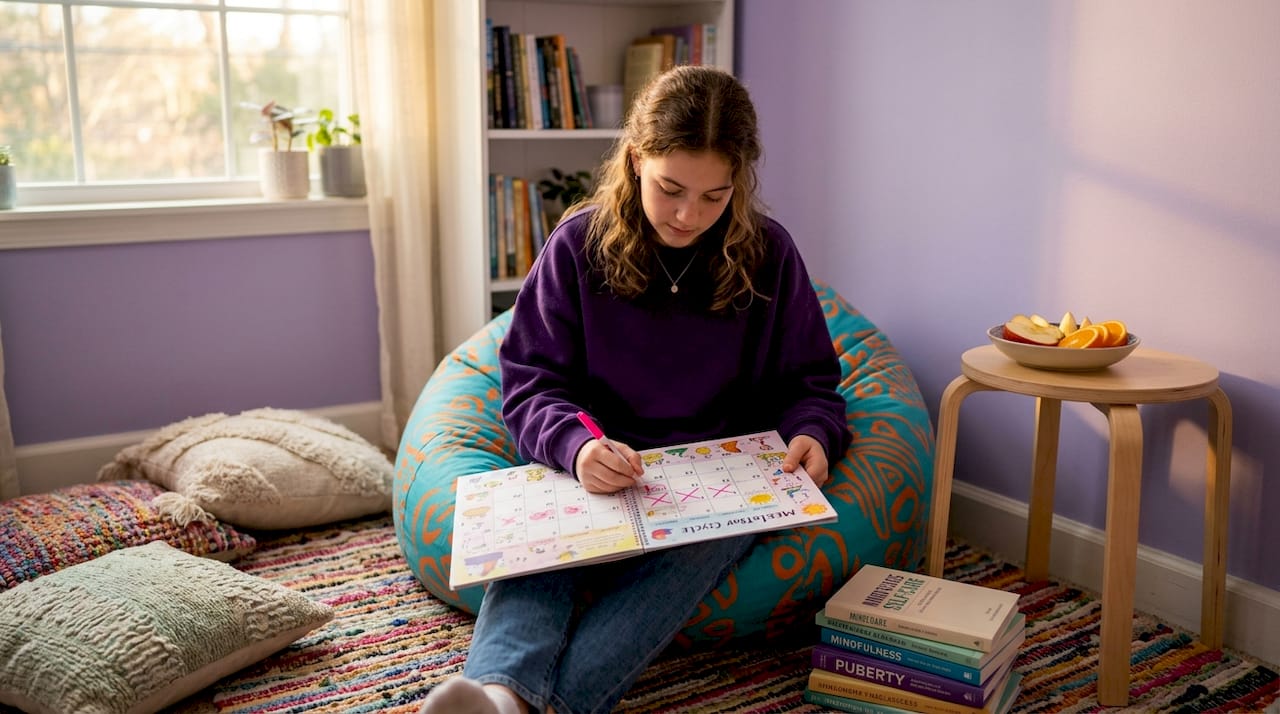
| Symptom | What is normal | When to check with a doctor |
|---|---|---|
| Cycle length | 21–45 days | Shorter than 21 or longer than 45 days |
| Flow duration | 2–7 days | More than 7 days consistently |
| Blood color | Pink, red, or brown | Unusual colors with odor or discharge |
| Flow amount | Light to moderate | Soaking a pad every hour for several hours |
Blood color surprises many girls and parents. Brown discharge is oxidized blood that has taken longer to leave the uterus. It is common at the start or end of a period and is not a sign of infection. Bright red blood signals a faster flow, while darker shades simply mean slower movement through the body.
Small clots, about the size of a quarter or smaller, are also normal. They form when blood pools briefly before leaving the body. Larger clots or very heavy flow deserve a conversation with a doctor.
Pro Tip: Start a simple period tracking habit with your daughter from day one. A free app or even a paper calendar works well. Tracking helps both of you spot patterns and gives a doctor useful information if questions come up later.
2. How to manage cramps and physical discomfort safely
Cramps are the most feared physical symptom, and they are also one of the most misunderstood. Mild to moderate cramps are caused by uterine contractions that help the body shed its lining. They are a sign the body is working correctly, not that something is wrong.
Most cramps feel like a dull ache or pressure in the lower belly. They typically peak in the first one to two days of a period and ease up after that. For many girls, the discomfort is mild and manageable with simple home care.
Safe and effective ways to ease cramp discomfort include:
- A heating pad or warm water bottle placed on the lower abdomen
- A warm bath or shower to relax tense muscles
- Over-the-counter pain relievers like ibuprofen or acetaminophen, taken as directed
- Light movement such as walking or gentle stretching
- Rest and staying well hydrated
Severe pain that disrupts daily life is not something to push through. If your daughter cannot attend school, sleep, or function normally because of cramp pain, that warrants a medical visit. Conditions like endometriosis can begin in the teen years and are treatable when caught early.
Pro Tip: Give ibuprofen at the first sign of cramps rather than waiting until the pain peaks. It works better as a preventive measure than as a rescue treatment. Check with your daughter’s doctor about the right dose for her age and weight.
For more detailed guidance, Themonthliesbox has a dedicated resource on first period pain management that walks parents through each option step by step.
3. What emotional changes are normal during a first period?
Emotions around a first period vary widely from girl to girl. There is no right way to feel about menstruation starting. Some girls feel proud or excited. Others feel scared, embarrassed, or completely indifferent. All of these responses are valid.
Hormonal shifts during the menstrual cycle affect mood, energy, and sleep. Your daughter may feel irritable or tearful in the days before her period, then feel fine once it starts. This pattern is real and has a biological cause rooted in changing estrogen and progesterone levels.
Common emotional responses parents should recognize and support:
- Anxiety or fear about pain, leaking, or being unprepared at school
- Embarrassment around peers or male family members
- Excitement or curiosity about growing up
- Indifference or a wish to avoid the topic entirely
- Mood swings in the days leading up to the period
Normalizing the conversation early reduces shame and helps girls feel more comfortable asking questions. This does not mean one big talk. It means weaving small, casual mentions of periods into everyday life long before the first one arrives.
Accepting whatever your daughter feels without pushing her to react a certain way builds trust. She needs to know her response is enough, exactly as it is. Themonthliesbox offers a parent’s guide on emotional responses to first period that gives concrete examples of supportive language to use.
4. How to prepare your daughter for an unexpected first period
An unexpected first period at school is one of the top concerns parents share. The good news is that preparation removes most of the fear. Carrying a period kit in a backpack eases anxiety significantly and gives girls a sense of control.
A well-stocked period kit does not need to be complicated. The goal is to cover the basics so your daughter feels ready no matter where she is.
Period kit essentials to pack:
- Two or three pads or panty liners in different absorbencies
- A spare pair of underwear in a small zip bag
- Unscented wipes for quick cleanup
- A small pain reliever like ibuprofen or acetaminophen
- A discreet pouch or bag to carry everything
Beyond the kit, talk to your daughter about who she can go to at school if her period starts. Most school nurses keep supplies on hand. Teachers and counselors are also trained to help. Knowing she has a plan and a person to turn to makes the situation feel much less scary.
Pro Tip: Practice the routine before the first period arrives. Let your daughter pack her own kit, walk through what she would do, and even visit the school nurse together so the face is familiar. Rehearsing builds real confidence.
Themonthliesbox also offers a guide on self-care routines for pre-teens that helps girls build healthy habits before menstruation begins.
5. When should parents consult a doctor about their daughter’s period?
Most first period experiences fall well within the normal range. A few specific signs, however, call for a medical conversation sooner rather than later.
Consult a doctor if bleeding soaks a pad every hour for several hours in a row, lasts more than seven days, or if your daughter has not had her first period by age 15. These are clear clinical guidelines, not reasons to panic. They simply signal that a professional should take a closer look.
Other reasons to seek medical advice include:
- Cramps severe enough to prevent normal daily activity
- Periods that stop for more than three months after they have started
- Significant weight changes alongside missed periods
- Signs of anemia such as extreme fatigue or dizziness during a period
Understanding why first period age varies can also help parents feel less alarmed when their daughter’s timeline does not match a friend’s or sibling’s. Genetics, body composition, and overall health all play a role in timing.
6. How to talk about periods without making it awkward
The conversation about periods does not have to be a formal sit-down event. Ongoing, natural dialogue reduces shame far more effectively than a single big talk. Short, casual mentions over time build a foundation of comfort.
Start early, around ages 8 or 9, by using accurate terms like “menstruation” and “uterus” without embarrassment. When a tampon commercial comes on TV, use it as a natural opening. When a friend or family member mentions cramps, acknowledge it matter-of-factly.
Girls who grow up hearing periods discussed openly are more likely to ask questions when something feels off. That openness can lead to earlier detection of issues and a much calmer first period experience overall.
Key Takeaways
Preparing your daughter for her first period with accurate information and open communication is the single most effective way to reduce anxiety for both of you.
| Point | Details |
|---|---|
| Normal cycle range | Teen cycles run 21–45 days and are often irregular for the first few years. |
| Blood color is not alarming | Brown blood is oxidized and normal; bright red signals faster flow. Both are fine. |
| Cramps have safe remedies | Heat, rest, and OTC pain relievers manage most cramp discomfort effectively. |
| Emotions vary widely | All feelings about a first period are valid; avoid pressuring a specific reaction. |
| Preparation reduces fear | A period kit and a clear school plan give girls real confidence before the first period arrives. |
Why I believe open preparation changes everything
Parents often tell me they waited too long to start the conversation because they did not want to scare their daughter or bring it up too early. What I have seen, time and again, is that waiting creates more fear, not less. Girls who arrive at their first period with no context feel blindsided. Girls who have heard the topic discussed casually for years feel ready.
The worries parents carry about their daughters’ first periods are real and understandable. But most of those worries shrink the moment you replace silence with honest, age-appropriate information. You do not need to have every answer. You just need to be the person your daughter knows she can ask.
Preparedness is not about removing the experience of puberty. It is about making sure your daughter grows through it feeling supported rather than alone. That shift, from silence to conversation, from fear to readiness, is something every family can make. And it starts much earlier than most parents think.
— The
Themonthliesbox: built for this exact moment
When the first period arrives, having the right supplies and the right words ready makes all the difference. Themonthliesbox was created to give parents and girls exactly that.
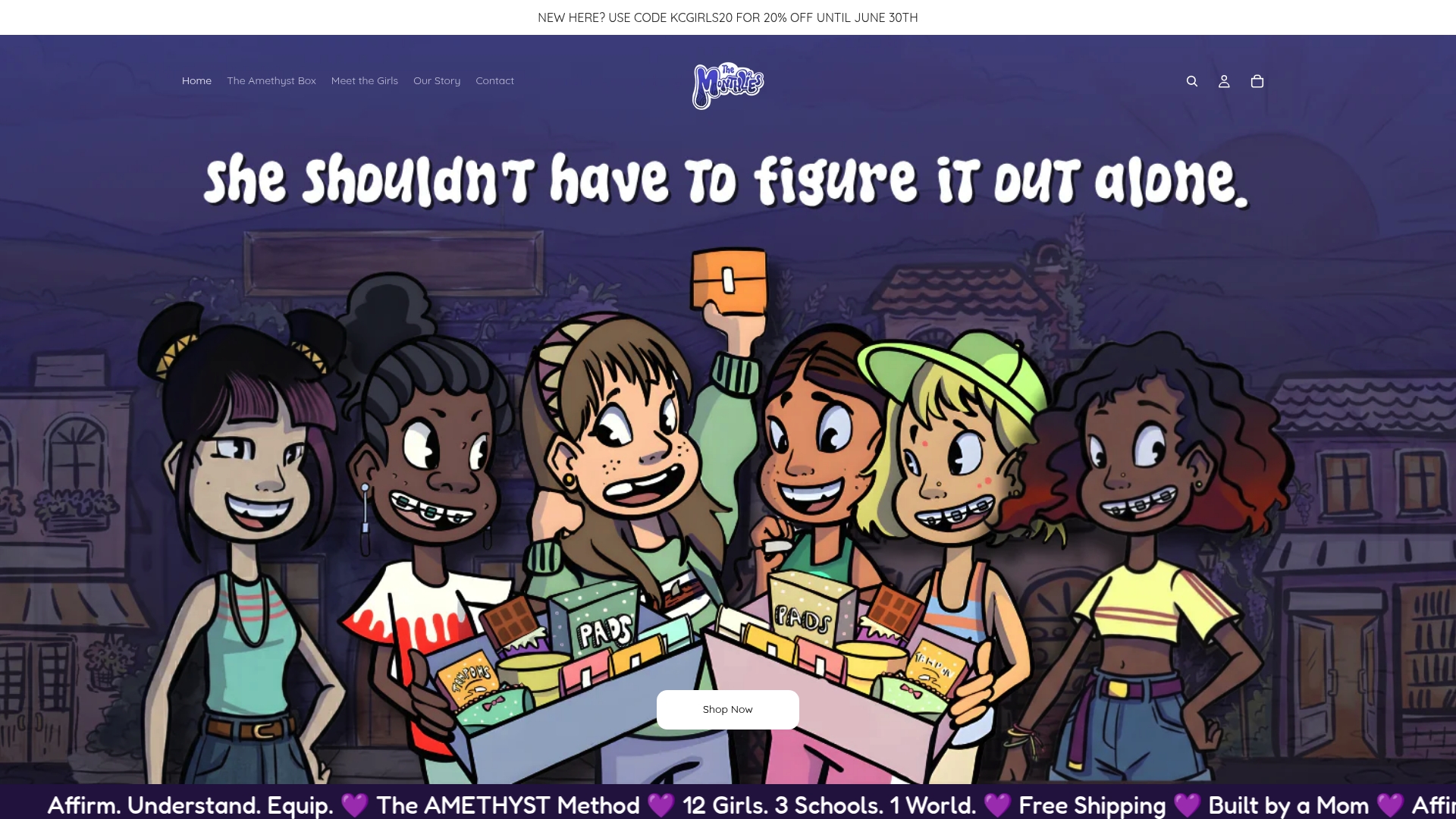
The Amethyst Box is a curated first period experience that combines practical period supplies with affirmations and educational materials, all built around the Amethyst Method: affirm, understand, and equip. For parents who want a ready-to-go solution, the on-the-go period kit keeps essentials compact and school-ready. Both options are designed to give your daughter confidence before, during, and after her first period. Visit Themonthliesbox to find the right fit for your family.
FAQ
What is the normal age for a first period?
Most girls get their first period around age 12 or 13, but anywhere between ages 8 and 16 is considered normal. If your daughter has not started by age 15, consult her doctor.
Why is period blood sometimes brown?
Brown blood is oxidized menstrual blood that moved slowly through the body. It is common at the beginning or end of a period and is not a sign of infection.
How long does a first period last?
A first period typically lasts between two and seven days. Flow is often lighter and more irregular than it will be in later years.
Are cramps normal during a first period?
Yes. Mild to moderate cramps are caused by uterine contractions and are a normal part of menstruation. Severe pain that prevents daily activity should be evaluated by a doctor.
How can I help my daughter feel less anxious about her first period?
Start open conversations early and keep them casual and ongoing. Pair that with a prepared period kit so she feels ready wherever she is.
0 comments