

Fear of menstruation, known clinically as menophobia, is defined as intense anxiety or dread surrounding the onset or experience of menstrual bleeding. Why girls fear their first period is rarely about the biology itself. Research confirms that fear is driven by misinterpretation when a girl does not know what is happening, not by the bleeding alone. As a parent or guardian, understanding this distinction gives you real power to change your daughter’s experience before it even begins.
Why girls fear their first period: the core causes
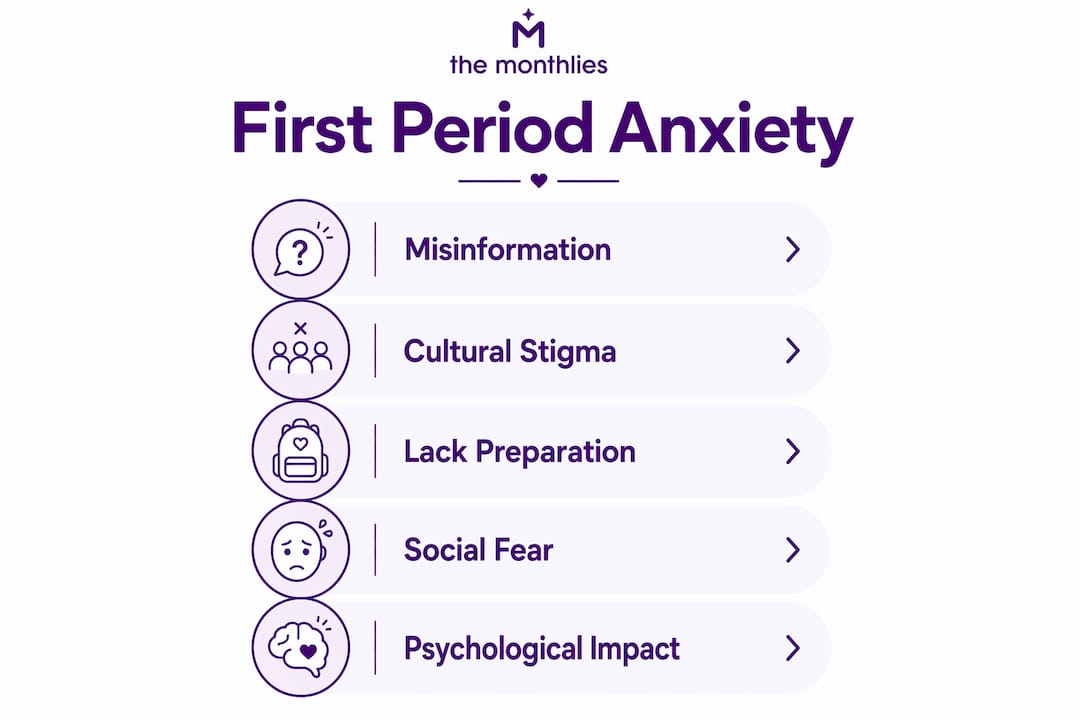
First period anxiety, the emotional distress girls feel before or during menarche, stems from three overlapping sources: inadequate knowledge, cultural stigma, and poor communication. These are not small gaps. Research shows that 14% of girls did not know what was happening when their first period arrived. That is one in seven girls experiencing what feels like a medical emergency because no one prepared them.
Fear of menstruation is also shaped by cultural stigma, shame, and misinformation far more than by physical discomfort. A girl who has been told menstruation is “dirty” or “something to hide” will carry that emotional weight into her first experience. The physical event becomes layered with shame before it even happens.
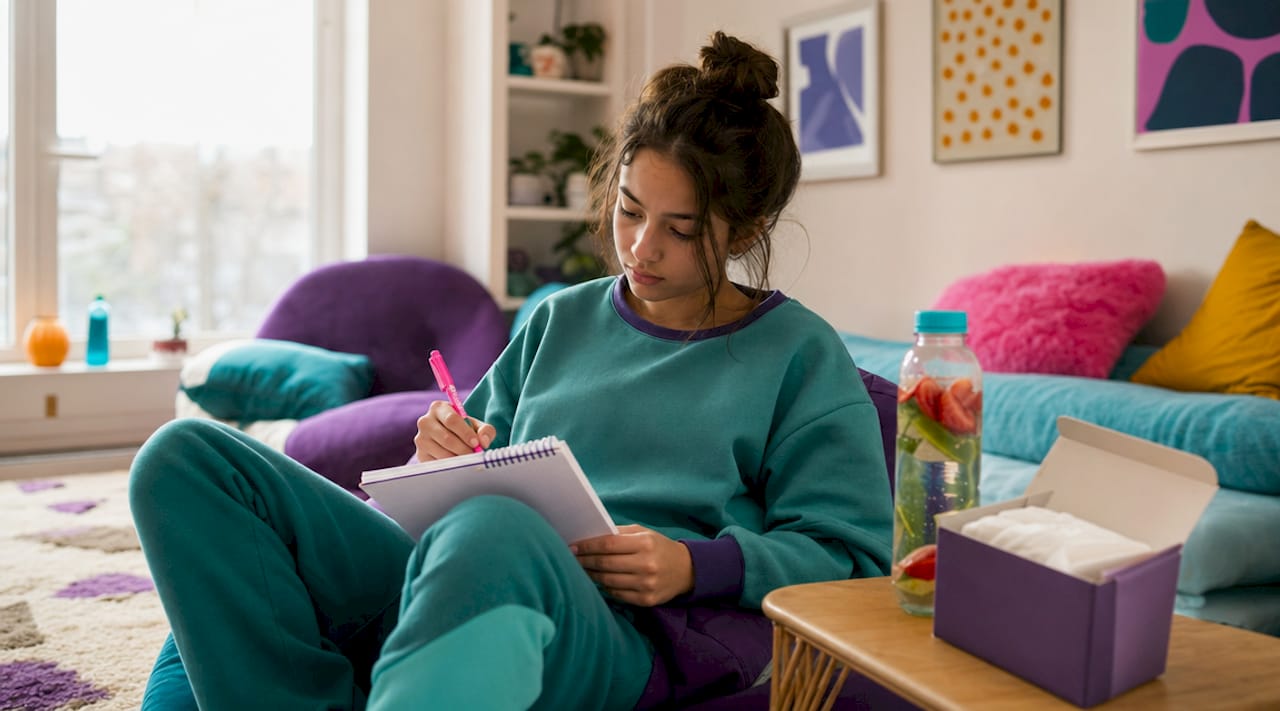
Understanding first periods through the lens of psychology, not just biology, is the shift parents need to make. Your daughter’s fear is not irrational. It is a predictable response to an experience she has been under-prepared for, and often socially conditioned to dread.
What misconceptions fuel first period anxiety in girls?
Girls arrive at menarche carrying a collection of beliefs that make fear almost inevitable. These misconceptions do not come from nowhere. They come from incomplete conversations, playground whispers, and a culture that treats menstruation as something to manage quietly.
Common fears and the myths behind them include:
- “Something is wrong with me.” When girls have not been told what to expect, unexpected bleeding reads as illness or injury. This is the most common source of acute panic at menarche.
- “It will be unbearable pain.” Older peers and media often exaggerate cramps, creating anticipatory dread that amplifies actual discomfort.
- “Everyone will know.” Fear of visible leaking or detectable odor drives intense social anxiety, particularly in school settings.
- “It’s dirty blood.” This belief, rooted in cultural and sometimes religious messaging, creates shame that outlasts the first period by years.
- “I’ll lose control of my body.” Unpredictability, not knowing when it will start or how heavy it will be, is a significant source of anxiety for girls who like to feel prepared.
The psychological response to menarche is strongly linked to a girl’s knowledge, her perception of menstruation, and where she got her information. Girls who learned about periods from peers or media tend to carry more fear than those who received clear, calm explanations from a trusted adult.
Reassurance alone is not enough. If your daughter holds the belief that menstrual blood is “dirty” or dangerous, general comfort will not dissolve that fear. You need to address the specific belief directly and replace it with accurate information.
Pro Tip: Ask your daughter what she has already heard about periods before you start the conversation. Her existing beliefs will tell you exactly which misconceptions to address first.
How does social stigma shape girls’ period fears at school?
Social stigma does not just make periods uncomfortable. It creates a state of perpetual vigilance where girls constantly monitor themselves to avoid detection. This mental load is exhausting and it starts before the first period even arrives.
The table below shows how stigma-driven behavior differs from confident, supported behavior in school-age girls.
| Stigma-driven behavior | Supported behavior |
|---|---|
| Hiding pads in sleeves or waistbands | Carrying products openly in a small pouch |
| Avoiding raising a hand to leave class | Feeling comfortable asking a teacher privately |
| Skipping PE or school on period days | Participating with appropriate product knowledge |
| Switching to tampons to avoid visible pads | Choosing products based on comfort and preference |
| Staying silent about pain or discomfort | Communicating needs to a trusted adult |
One study found that a girl switched to tampons after classmates laughed at her visible pad. That single moment of humiliation changed her product choices and her relationship with her body. This is how stigma functions: it does not just embarrass girls in the moment. It rewires their behavior for years.
“Supporting product privacy and discouraging teasing are emotional interventions that reduce fear as much as providing supplies.”
The practical takeaway for parents is this: teaching your daughter how to carry and change products discreetly is not about shame. It is about giving her confidence and control in a social environment that is not always kind. Pair that skill with a clear message that her period is nothing to be ashamed of, and you address both the practical and emotional sides of the challenge.
What role does mother-child communication play in reducing period fear?
Communication is the single most powerful tool parents have. But the quality of that communication matters far more than the fact that a conversation happened. Poor menstrual knowledge combined with ineffective communication significantly increases anxiety about menarche, even when a parent believes they have “had the talk.”
Effective communication is not a one-time event. It is a series of calm, clear, open conversations that begin before the first signs of puberty appear. Here is what that looks like in practice:
- Start early, around ages 8 to 10. Girls who receive information before menarche report significantly less fear. Waiting until puberty is already underway leaves too little time to normalize the experience.
- Use accurate language. Words like “uterine lining” and “menstrual cycle” are not too complex for a 9-year-old. Using correct terms builds confidence and reduces the mystery that feeds fear.
- Invite questions explicitly. Effective communication includes clear explanations and direct invitations for questions, not just the delivery of facts. Say “What questions do you have?” not “Do you have any questions?”
- Create a practical plan together. Walk through what she should do if her period starts at school. Where are the supplies? Who can she ask for help? Having a plan transforms an abstract fear into a manageable situation.
- Revisit the conversation. One talk is not enough. Check in regularly, especially as physical changes become more visible.
Research confirms that health education interventions dramatically reduce menstrual anxiety. After structured education, 95.6% of girls shifted from moderate anxiety to mild anxiety. That is not a small shift. It shows that knowledge, delivered well, genuinely changes how girls feel about their bodies.
Pro Tip: Use books, videos, or character-led guides as conversation starters. Child-appropriate resources make it easier for both of you to talk about something that might feel awkward at first.
How can parents practically support girls through first period anxiety?
Knowing the causes of fear is one thing. Acting on that knowledge is another. These are the practical steps that make the biggest difference for girls approaching menarche.
- Build a period kit together. Include pads in multiple sizes, pain relief, a change of underwear, and a small pouch for carrying supplies. Involving your daughter in choosing products gives her ownership and reduces the feeling that this is happening to her.
- Normalize menstrual products at home. Keep products visible and accessible, not hidden under the bathroom sink. Visibility signals that periods are a normal part of life, not something to conceal.
- Teach privacy without shame. Show her how to wrap a used pad, carry a spare discreetly, and excuse herself from class without drawing attention. These are practical skills, not lessons in hiding.
- Validate her emotions. If she says she is scared, do not dismiss it. Say “That makes sense. A lot of girls feel that way. Here is what we can do about it.” Validation followed by a plan is far more effective than reassurance alone.
- Encourage body positivity through celebration. Some families mark menarche with a small celebration or a special gift. Framing the first period as a milestone rather than a burden shifts the emotional meaning of the experience. You can find ideas for this in our guide on why to celebrate first period.
- Know the signs in advance. Understanding what physical changes signal that a first period is approaching helps both of you feel prepared. Our guide on signs your daughter’s period is approaching covers exactly this.
A self-care routine built before the first period arrives gives girls a sense of agency. They are not waiting helplessly for something unknown. They are prepared, equipped, and supported.
Key takeaways
Girls fear their first period primarily because of misinformation, social stigma, and inadequate preparation, not because menstruation itself is frightening.
| Point | Details |
|---|---|
| Fear is rooted in misinterpretation | Girls who do not know what is happening interpret bleeding as illness, which drives acute panic. |
| Stigma rewires behavior | Social humiliation causes girls to hide products and avoid activities, creating lasting emotional impact. |
| Knowledge reduces anxiety measurably | Structured education shifted 95.6% of girls from moderate to mild anxiety in one study. |
| Communication quality matters | Clear explanations and explicit invitations for questions reduce anxiety more than general reassurance. |
| Practical preparation builds confidence | A period kit, a school plan, and open product access give girls control over an unpredictable experience. |
What I have learned from watching girls grow through this
The most common mistake I see parents make is treating the period conversation as a single event to get through rather than an ongoing relationship to build. A five-minute talk at age 11 does not undo years of cultural messaging that tells girls their bodies are inconvenient or shameful.
What actually works is consistency. Talking about periods the same way you talk about brushing teeth or getting enough sleep. Matter-of-fact. Calm. Repeated. When a girl hears her parent speak about menstruation without embarrassment or urgency, she learns that there is nothing to fear. That lesson does not come from one conversation. It comes from many small ones.
The research on this is clear, and it aligns with everything we have seen in the Themonthliesbox community. Girls who arrive at menarche with knowledge, a plan, and a trusted adult in their corner do not just cope better. They feel proud. That shift from fear to pride is entirely possible, and it starts with you.
The emotional responses to first period your daughter experiences are not fixed. They are shaped by what she knows, what she has been told, and how supported she feels. You have more influence over that than any other factor in her life right now.
— The Monthlies
Help your daughter feel ready, not afraid
Preparing your daughter for her first period is one of the most meaningful things you can do for her confidence right now.
The Amethyst Box from Themonthliesbox is designed specifically for this moment. It combines practical period supplies with affirmations, educational materials, and confidence-building tools, built around the Affirm, Understand, and Equip method. For girls who need something portable and discreet, the On-The-Go Kit gives them everything they need to feel covered at school or away from home. Both are thoughtful, caring gifts that say: you are supported, you are prepared, and you are enough.
FAQ
Why are girls scared of their first period?
Girls are scared of their first period primarily because of inadequate knowledge, cultural stigma, and fear of the unknown. Research shows that 14% of girls did not know what was happening when their first period arrived, which turns a normal event into a frightening one.
How can I help my daughter cope with first period anxiety?
Start conversations early, use accurate language, and build a practical period kit together. Studies confirm that structured menstrual education shifts the majority of girls from moderate to mild anxiety, so knowledge is your most effective tool.
What age should I talk to my daughter about her first period?
Begin conversations around ages 8 to 10, before physical signs of puberty appear. Early preparation gives girls time to ask questions and normalize the experience before it happens.
Does social stigma make period fear worse?
Yes. Stigma creates a state of vigilance where girls constantly monitor themselves to avoid detection, which increases anxiety significantly. Teaching privacy skills alongside positive messaging addresses both the social and emotional dimensions of this fear.
Is it normal for girls to feel embarrassed about their period?
Embarrassment is common but not inevitable. It is largely shaped by the messages girls receive from adults and peers. When parents treat periods as normal and manageable, girls are far more likely to feel the same way.
0 comments