

First period discharge is defined as vaginal fluid produced by the body in response to rising estrogen levels during puberty, and it is one of the earliest signs that a first menstrual flow is approaching. This fluid is completely normal and healthy. It typically appears as thin, white, clear, or milky liquid with little to no odor. Understanding what is first period discharge, what it looks like, and what it means gives girls and parents the confidence to face this milestone without fear. Think of it as your body sending a quiet, reassuring message: things are right on track.
What is first period discharge and what does it look like?
First period discharge, known medically as physiologic leukorrhea, is vaginal fluid caused by rising estrogen that typically appears 6 to 12 months before menstruation begins. That timeline matters because it gives girls and parents a real window to prepare. The body is not malfunctioning. It is doing exactly what it should.
Normal discharge has a few consistent characteristics:
- Color: White, clear, or slightly off-white. A faint yellowish tint on underwear after drying is also normal.
- Texture: Ranges from thin and watery to slightly thick and gooey, depending on where a girl is in her cycle.
- Smell: Mild or odorless. A strong or unpleasant smell is not typical.
- Amount: Light at first, sometimes just a small spot on underwear.
Discharge changes throughout the menstrual cycle due to hormonal fluctuations. Around ovulation, it may become clearer and stretchier, similar to raw egg whites. In the days before a period, it often turns thicker and whiter. These shifts are normal and reflect the body’s hormonal rhythm.
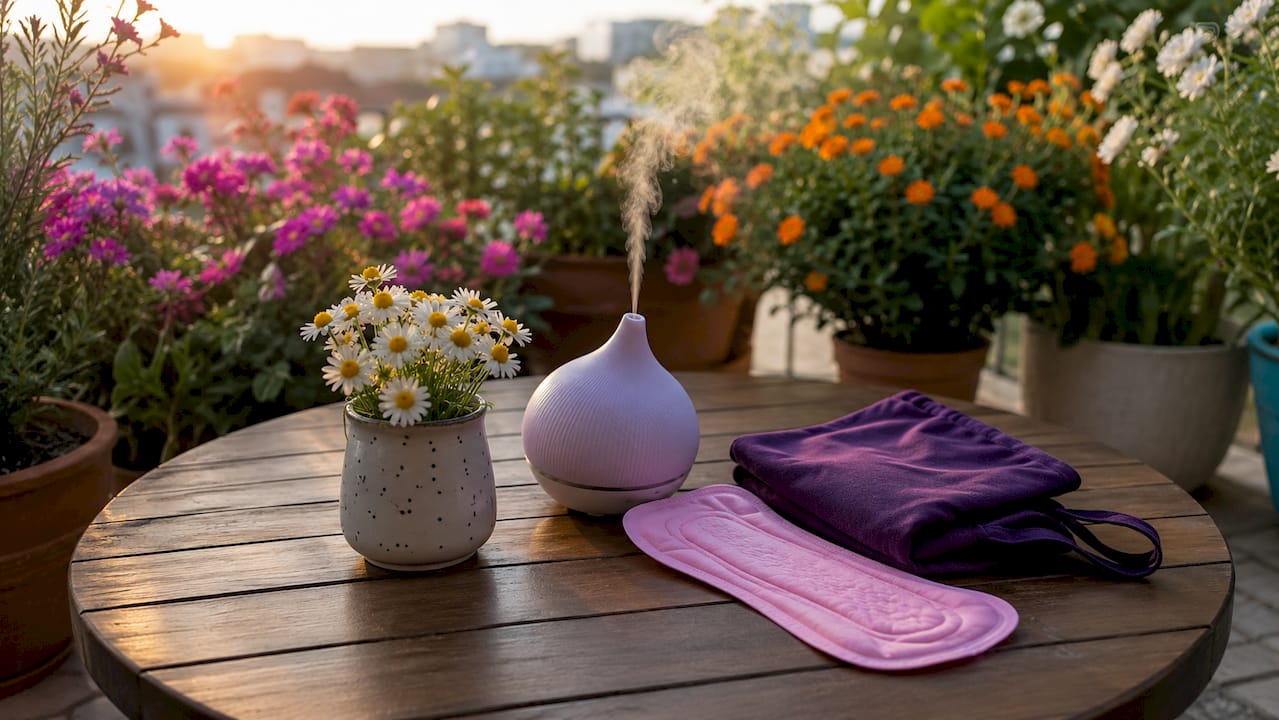
Pro Tip: Place a white panty liner in your underwear for a few days to get a clear look at the color and texture of your discharge. This makes it much easier to recognize what is normal for your body.
Discharge that is green, gray, or comes with a foul odor, itching, or burning is a sign of possible infection and should be checked by a doctor. Knowing the difference between normal and abnormal discharge is one of the most practical things a girl can learn early on.
When does discharge start before the first period?
Discharge usually begins 6 to 12 months before the first period, but the full picture is more nuanced than that single timeline suggests. Some girls notice discharge for two or even three years before menstruation starts. That is completely within the range of normal, and it does not mean something is wrong or that a period is just around the corner.
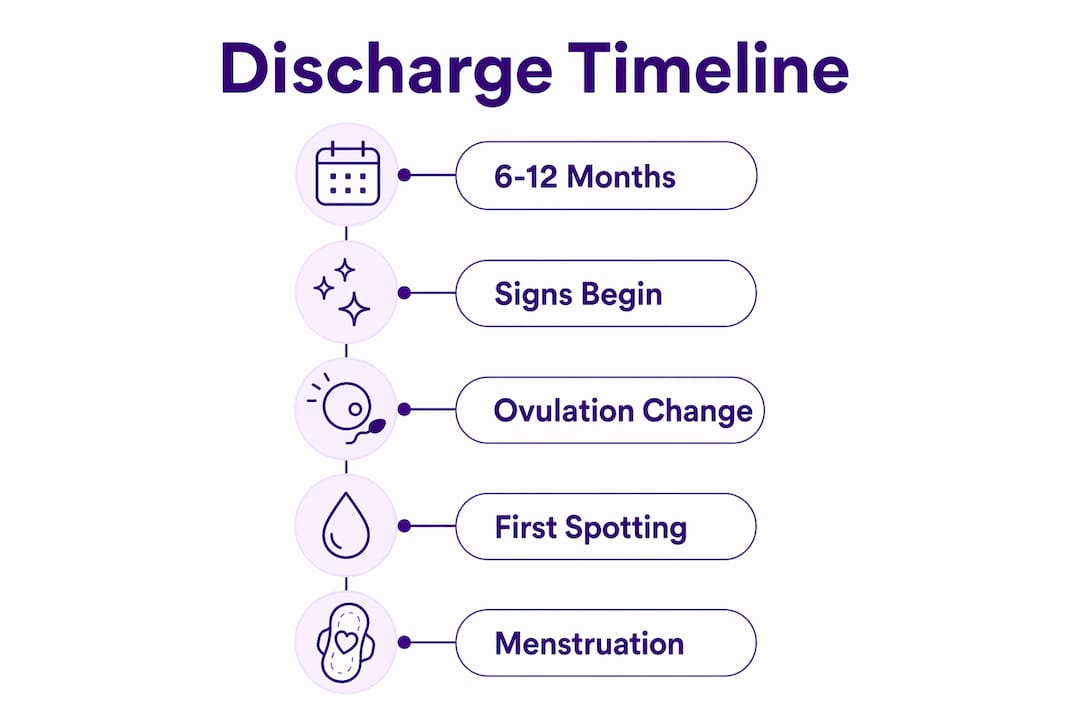
Here is a general timeline of puberty milestones to help put discharge in context:
| Puberty Milestone | Typical Age Range |
|---|---|
| Breast development begins | 8–13 years |
| Pubic and underarm hair appears | 9–14 years |
| Vaginal discharge starts | 9–14 years |
| First period (menarche) arrives | 8–15 years |
The average age for a first period is around 12 years, though anywhere between 8 and 15 is considered normal. Most girls get their first period about 2 to 3 years after breast development begins. Discharge fits into this sequence as one of the later signs before menstruation, but it is not a precise countdown clock.
Parents should know that discharge can appear years before menarche, so reassuring a daughter that discharge does not mean her period is starting tomorrow is genuinely helpful. It removes unnecessary anxiety and replaces it with calm awareness.
Pro Tip: Start a simple puberty journal or use a free app like Clue or Flo to log when discharge begins and any other changes you notice. This record becomes useful when talking to a doctor and helps you recognize patterns over time.
Understanding why first period age varies from girl to girl also helps parents avoid comparing their daughter’s timeline to a friend’s or sibling’s. Every body moves at its own pace, and that is worth celebrating.
How to recognize the start of your first period
The first period does not always look like what movies or older relatives describe. Many girls expect a sudden, heavy flow of bright red blood. The reality is often much quieter than that.
First period bleeding frequently appears as light spotting or brownish marks in underwear rather than a heavy flow. That brownish color is simply older blood that took a little longer to leave the body. It is still a real period, and it counts as the official start of menstruation.
Here is what to expect during and around the first period:
- Light spotting or brownish discharge in underwear, which may be easy to miss at first.
- Mild cramping in the lower belly or back, ranging from barely noticeable to uncomfortable.
- Breast tenderness that may have started weeks before the period arrives.
- Mood changes including feeling more emotional, irritable, or tired than usual.
- Bloating in the lower abdomen, which is caused by hormonal shifts.
Beyond the first day, typical bleeding lasts 2 to 7 days. Flow is often lightest on the first and last days and heavier in the middle. Early cycles are frequently irregular. Cycles ranging from 21 to 45 days are common in the first few years and usually settle into a more predictable pattern over time.
Knowing these early period symptoms in advance removes the shock factor. A girl who understands that brownish spotting is a legitimate first period will not panic when she sees it. That knowledge alone is powerful.
For more support on what comes next, Themonthliesbox has a calm, clear guide on exactly what to do when the first period arrives.
What to do when discharge appears: tips for girls and parents
Discharge appearing for the first time can feel surprising, even unsettling, if a girl does not know what it is. The good news is that a few simple steps make it easy to manage and even feel prepared.
- Use panty liners daily. A thin panty liner keeps underwear fresh and comfortable. It also makes it easier to monitor discharge color and texture over time. Many girls find this small habit reduces worry significantly.
- Build a first period kit. Pack a small pouch with two pads, a spare pair of underwear, and a few wipes. Keep it in a backpack or locker. Preparing a period kit reduces the fear of being caught off guard at school, which is one of the most common worries girls have.
- Talk openly about what is happening. Early, honest conversations between parents and daughters reduce fear and build emotional readiness. A five-minute conversation at home can prevent a lot of stress later.
- Track changes in a journal or app. Noting when discharge appears, what it looks like, and any other symptoms helps a girl understand her own body. It also gives a doctor useful information if questions come up.
- Know when to see a doctor. Discharge with a strong odor, unusual color, itching, or burning is worth a medical check. Most discharge is completely normal, but paying attention to changes is a smart habit.
Pro Tip: Parents, frame discharge as a positive sign when you talk about it. Telling your daughter “this means your body is healthy and growing” is far more reassuring than treating it as something awkward or alarming.
Themonthliesbox also has a helpful resource on how to talk to your daughter about periods if you are not sure where to start. You do not need a perfect script. You just need to start the conversation.
Key takeaways
First period discharge is a normal, healthy signal that the body is preparing for menstruation, and recognizing it early gives girls and parents the confidence to face puberty with calm and readiness.
| Point | Details |
|---|---|
| Discharge is normal and healthy | Thin, white, or clear vaginal fluid signals rising estrogen and puberty progress. |
| Timing varies widely | Discharge typically starts 6–12 months before the first period, but may appear years earlier. |
| First periods look different than expected | Light spotting or brownish marks are a legitimate first period, not just discharge. |
| Preparation reduces anxiety | A small period kit with pads and spare underwear builds confidence at school and beyond. |
| Know the warning signs | Green color, foul odor, or itching signals a possible infection that needs medical attention. |
Why we need to talk about this more honestly
I have spoken with so many parents who found out their daughter had been quietly worried about discharge for months, too embarrassed to ask anyone about it. That breaks my heart every time. The silence around puberty is not protecting our girls. It is leaving them alone with questions they deserve real answers to.
What I have learned from building Themonthliesbox is that knowledge is the kindest gift you can give a young girl going through puberty. When she knows what discharge is, what it means, and what to do about it, she stops feeling like something is wrong with her. She starts feeling like her body is doing something right.
I also want to push back on the idea that these conversations need to be formal or perfectly timed. Some of the best puberty talks happen in the car, during dinner, or while folding laundry. The setting does not matter. The openness does. If you are a parent reading this and you have not started the conversation yet, today is a good day. Your daughter is not too young. She is exactly the right age.
For girls reading this: your body is not strange or broken. It is growing. And that is something to feel good about.
— The
You do not have to figure this out alone
Knowing what to expect is one thing. Having the right tools in your hands is another. Themonthliesbox was built for exactly this moment, when a girl is growing and needs more than just information. She needs to feel supported, seen, and ready.

The Amethyst Box is Themonthliesbox’s signature first period experience, designed to affirm, educate, and equip young girls for menstruation. It includes practical period supplies, affirmations, and educational materials that make the first period feel like a milestone worth celebrating. For girls who want something they can carry with them every day, the On-The-Go Kit keeps pads, wipes, and essentials close at hand. Because confidence comes from being prepared, and every girl deserves to feel that way.
FAQ
What is first period discharge supposed to look like?
Normal first period discharge is thin, white, clear, or milky with little to no odor. It may leave a small, slightly yellowish stain on underwear after drying, which is completely normal.
How long before a period does discharge start?
Discharge typically begins 6 to 12 months before the first period, though some girls notice it for two or more years before menstruation starts.
Can discharge be mistaken for the first period?
Yes. Light brownish discharge can look similar to the start of a first period. Brownish spotting is often the first period itself, not just discharge, so it is worth noting the date if it appears.
When should discharge be a concern?
Discharge that is green, gray, or has a strong foul odor, or causes itching or burning, may signal an infection. A doctor should be consulted if any of those signs appear.
How can a girl track her discharge and first period signs?
A simple journal or a free period tracking app like Clue or Flo works well. Logging discharge color, texture, and any other symptoms helps identify patterns and prepares a girl for her first period.
0 comments