

First period hygiene is defined as the practice of using clean menstrual products, maintaining gentle external genital care, and building daily habits that keep a girl comfortable and infection-free during menstruation. The WHO defines menstrual hygiene management as using clean materials changed in privacy as needed, washing the body with soap and water, and having access to disposal facilities free from stigma. Getting first period hygiene basics explained clearly and early is one of the most practical things you can do as a parent. The right preparation covers product selection, cleaning routines, clothing choices, and emotional readiness. Brands like Themonthliesbox exist precisely to make this preparation feel supported, not stressful.
What are the best menstrual products for a first period?
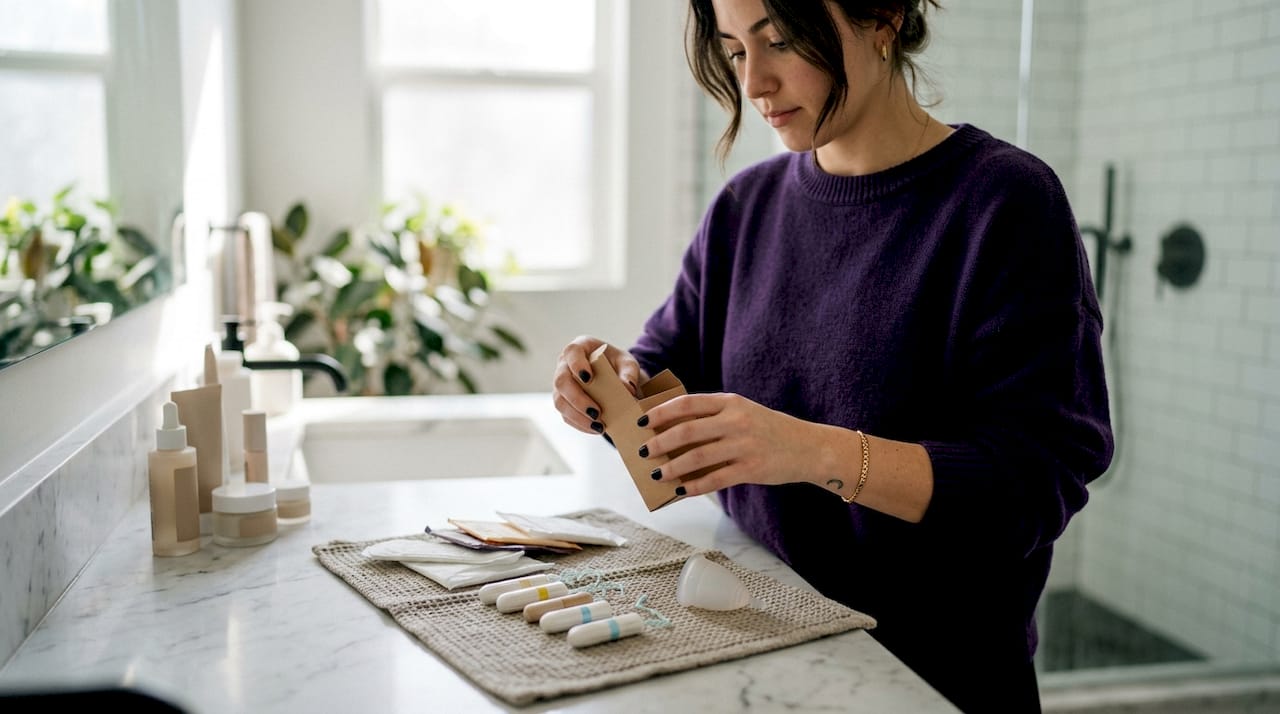
Choosing the right product for a first period comes down to comfort, ease of use, and your daughter’s activity level. Five main options exist for beginners: sanitary pads, panty liners, tampons, period underwear, and menstrual cups. Each works differently, and most girls start with pads before trying anything else.
| Product | Comfort level | Learning curve | Change frequency |
|---|---|---|---|
| Sanitary pads | High | Very low | Every 4–6 hours |
| Panty liners | High | Very low | Every 4–6 hours |
| Period underwear | High | Low | End of day wash |
| Tampons | Moderate | Moderate | Every 4–6 hours |
| Menstrual cups | Moderate | High | Every 8–12 hours |
Pads and panty liners are the easiest starting point. They attach to underwear, require no insertion, and come in a range of absorbency levels from light to overnight. Period underwear works the same way but is reusable, which many families find practical for school days.
Tampons and menstrual cups require insertion, which can feel intimidating at first. Practicing insertion outside of menstruation reduces anxiety and improves comfort during actual use. This is one of the most underused preparation tips for parents.
Regardless of product type, changing pads or tampons every 4–6 hours prevents bacterial growth and skin irritation. That guideline applies even on lighter flow days.
Pro Tip: Pack a small period kit for school with two pads or tampons, a spare pair of underwear, and a small zip-lock bag for discreet disposal. A portable period kit builds independence and reduces anxiety about being caught off guard.
How to maintain proper hygiene during menstruation
Good menstrual hygiene is simpler than most parents expect. The body does most of the work on its own. Your daughter’s job is to support it with a few consistent habits.
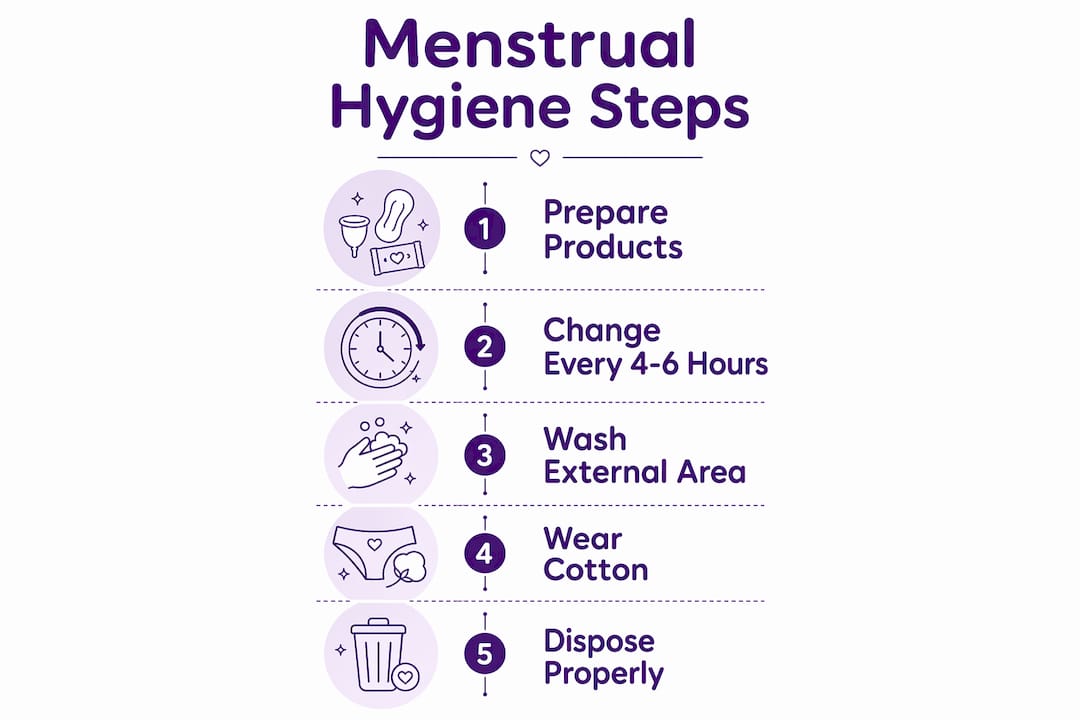
The most important cleaning rule is this: wash only the external genital area. Plain water or a mild, unscented soap is all that is needed. Scented soaps in the genital area disrupt pH balance and increase the risk of bacterial vaginosis and irritation. The vagina is self-cleaning. Douching or using perfumed washes inside it causes more harm than good.
Daily hygiene habits to build together:
- Wash the external area with plain water or unscented soap at least once a day.
- Wipe front to back after using the toilet to prevent bacteria from spreading toward the urinary tract.
- Wash hands thoroughly before and after changing any menstrual product.
- Change pads, tampons, or liners every 4–6 hours, even on light flow days.
- Wear breathable, loose cotton underwear and change it daily.
- Dry the area well after washing to prevent moisture-related irritation.
- Avoid tight synthetic underwear during menstruation, which traps heat and moisture.
Clothing choices matter more than most parents realize. Cotton underwear allows airflow and reduces the chance of yeast infections. Synthetic fabrics like nylon or polyester hold moisture against the skin, which creates conditions where bacteria thrive.
Pro Tip: Send your daughter to school with a small pouch containing a spare pair of cotton underwear and a few small plastic bags. Used products can be wrapped and stored discreetly until she reaches a trash can. This one habit removes a major source of period anxiety.
What are the signs a first period is approaching?
Recognizing the signs early gives you time to prepare calmly, without rushing. The body sends clear signals weeks or months before the first period arrives.
Breast development typically begins 1–2 years before the first period. White or clear vaginal discharge is another normal sign that menstruation is approaching. A noticeable growth spurt and the beginning of pubic and underarm hair are also common indicators. You can read more about recognizing these changes in Themonthliesbox’s guide to early period signs.
Once the first period arrives, expect some irregularity. Periods are often irregular for the first 1–3 years as hormones mature. Skipping a month or having longer gaps between cycles is completely normal. Reassuring your daughter about this early prevents unnecessary worry.
Preparation steps to take before the first period:
- Talk openly about what menstruation is and why it happens. Normalize it as a healthy developmental milestone.
- Introduce her to at least one menstrual product and show her how to use it before she needs it.
- Build a personal period kit together with pads, spare underwear, and wipes.
- Walk her through what to expect on the first period day, including color, flow, and duration.
- Discuss where she can go for help at school if her period starts unexpectedly.
- Review the signs that warrant a doctor visit: soaking a pad every 1–2 hours, severe pain that stops normal activities, or no period by age 15.
The conversation itself is preparation. Girls who receive clear, shame-free information before their first period report feeling more confident and less afraid when it arrives.
Common menstrual hygiene mistakes to avoid
Most hygiene problems during a first period come from a small set of avoidable mistakes. Knowing them ahead of time means your daughter does not have to learn them the hard way.
- Leaving products in too long. Pads and tampons left beyond 4–6 hours create conditions for bacterial growth. Overnight pads are designed for longer wear but should still be changed first thing in the morning.
- Using scented products near the genitals. Scented pads, sprays, and wipes disrupt the natural pH balance. Plain, unscented products are always the safer choice.
- Washing inside the vagina. The vagina cleans itself. Internal washing removes protective bacteria and increases infection risk.
- Wiping back to front. This moves bacteria from the rectal area toward the urethra, raising the risk of urinary tract infections. Front to back is the only correct direction.
- Wearing damp or synthetic underwear. Moisture trapped against the skin encourages yeast and bacterial growth. Cotton underwear changed daily is the standard.
- Ignoring warning signs. Symptoms like unusually heavy bleeding, a strong odor, or significant pelvic pain are signals to consult a doctor, not manage at home.
- Disposing of products carelessly at school. Teach your daughter to wrap used products in toilet paper or a small bag before placing them in the trash. This is a practical hygiene and social skill.
The menstrual hygiene management framework from the WHO emphasizes that dignity and a stigma-free environment are as important as the physical practices. Mistakes happen less often when girls feel safe asking questions.
Key Takeaways
Good menstrual hygiene requires changing products every 4–6 hours, washing only the external genital area with plain water, wearing breathable cotton underwear, and preparing daughters emotionally and practically before the first period arrives.
| Point | Details |
|---|---|
| Change products regularly | Replace pads or tampons every 4–6 hours to prevent bacterial growth and irritation. |
| Clean externally only | Wash the outer genital area with plain water or unscented soap; never douche. |
| Choose cotton underwear | Breathable cotton reduces moisture and lowers infection risk during menstruation. |
| Prepare before the first period | Introduce products, build a period kit, and talk openly before menstruation begins. |
| Know when to see a doctor | Seek advice for soaking a pad every 1–2 hours, severe pain, or no period by age 15. |
Why I believe the conversation matters more than the product
Parents often focus on finding the right pad or tampon, and that matters. But the single most protective thing you can do for your daughter is talk to her before her first period arrives. Girls who receive clear, calm information beforehand feel less shame and more confidence when it actually happens. That confidence carries into how she manages her hygiene, asks for help, and takes care of herself for years to come.
I have seen parents delay the conversation because they are not sure what to say or worry about saying the wrong thing. The truth is, an imperfect conversation is far better than silence. You do not need to have every answer. You just need to make it clear that menstruation is normal, manageable, and something she does not have to face alone.
The practical habits covered here, changing products on time, cleaning gently, wearing the right underwear, are all learnable in a single afternoon. The emotional foundation takes longer to build. Start it early. Normalize the topic at the dinner table, in the car, in passing. When the first period arrives, she will already know what to do. And more importantly, she will know she can come to you.
— Themonthliesbox
Themonthliesbox has everything she needs in one place
Getting your daughter ready for her first period does not have to mean searching through dozens of products or guessing what to include in a kit.

Themonthliesbox offers curated care packages built specifically for this moment. The On-The-Go Kit is designed for school and travel, with menstrual products, comfort items, and hygiene essentials packed into one compact bag. For a fuller first period experience, the Amethyst Box includes affirmations, educational materials, and practical supplies built around the Affirm, Understand, and Equip method. Every kit is designed to give your daughter both the tools she needs and the confidence to use them.
FAQ
What is period hygiene for beginners?
Period hygiene for beginners means changing menstrual products every 4–6 hours, washing the external genital area with plain water, and wearing breathable cotton underwear. These three habits cover the core of safe, comfortable menstrual care.
How often should a pad or tampon be changed?
Pads and tampons should be changed every 4–6 hours to prevent bacterial growth and skin irritation. On heavier flow days, changing more frequently is fine and encouraged.
What are the signs a first period is coming?
Breast development starting 1–2 years before menstruation and the appearance of white or clear vaginal discharge are the most reliable early signs. A growth spurt and pubic hair development also signal that a first period is approaching.
Is it normal for a first period to be irregular?
Yes. Periods are commonly irregular for the first 1–3 years as the hormonal system matures. Skipping months or having longer cycles is expected and not a cause for concern in most cases.
When should a parent consult a doctor about their daughter’s period?
Consult a doctor if your daughter soaks a pad every 1–2 hours, experiences severe pain that disrupts daily activities, or has not had a first period by age 15. These are the key medical thresholds for evaluation.
0 comments