

First period color is defined by how quickly menstrual blood exits the uterus and how long it has been exposed to oxygen. The color of your daughter’s first period is one of the clearest signals of her menstrual health, and knowing what each shade means helps you respond with calm confidence instead of worry. Colors range from pale pink to deep brown to bright red, and every one of them tells a story about blood flow and timing. This guide breaks down the full initial period color range so you know exactly what to expect and when to act.
What does first period color mean for menstrual health?
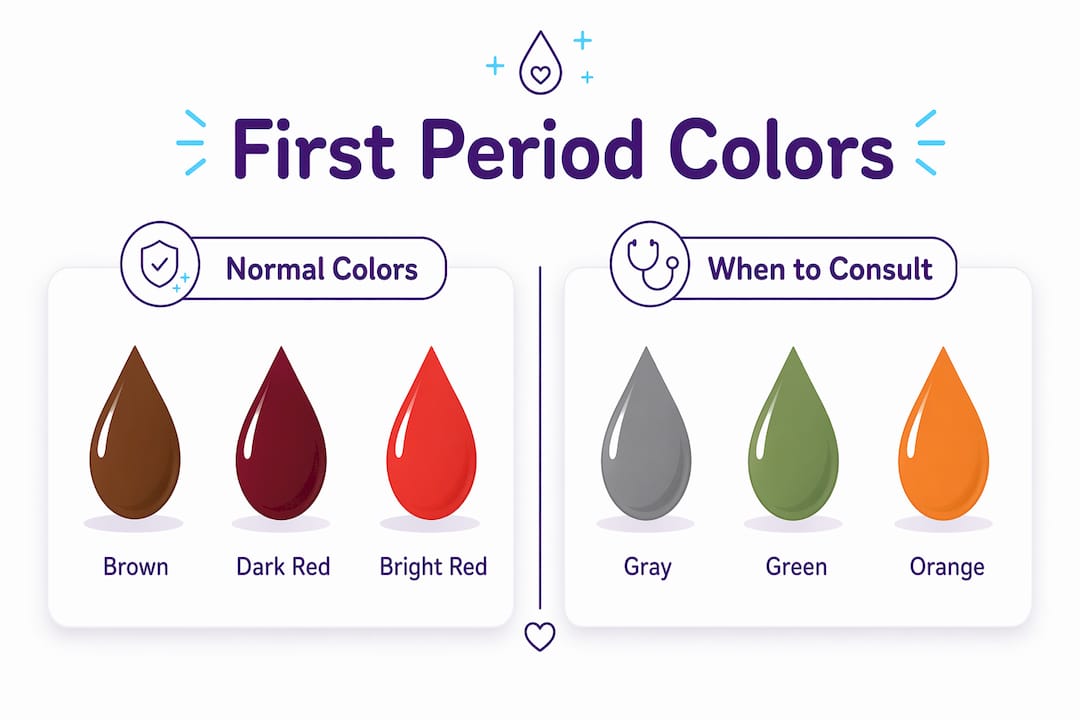
First period color primarily reflects the age and speed of menstrual blood. Fresh blood flows quickly and appears bright red. Blood that moves slowly through the uterus has more time to oxidize, turning it brown or dark red before it exits the body.
This is not a sign of anything wrong. It is simply biology. The first menstrual period color is often darker than what your daughter will see in later cycles because early periods tend to be lighter and slower. Understanding this one fact removes a lot of unnecessary fear.
The medical term for a first period is menarche. The average age for menarche is approximately 12 years, though anywhere from 10 to 15 years is completely normal. That wide range means some girls are prepared and some are caught off guard, which is exactly why parents need this knowledge ahead of time.
Here is a quick reference table covering the most common period blood colors, what they mean, and whether they are normal:
| Color | What It Means | Normal? |
|---|---|---|
| Brown or dark red | Older, oxidized blood moving slowly | Yes |
| Bright red | Fresh blood with faster flow | Yes |
| Pink or light pink | Diluted blood mixed with vaginal mucus | Yes |
| Orange or gray | Possible infection or bacterial imbalance | See a doctor |
| Green | Likely infection requiring medical evaluation | See a doctor |
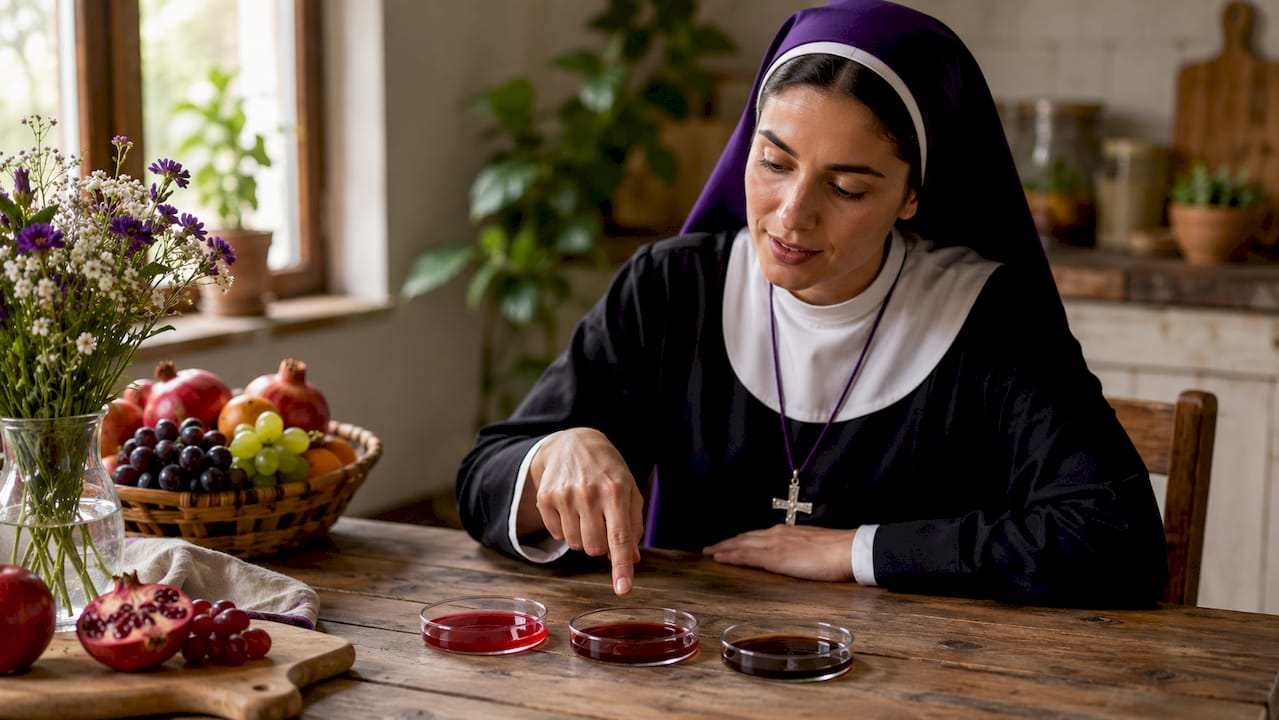
Pro Tip: If your daughter sees brown smudges in her underwear and is not sure whether her period has started, it probably has. Brown spotting is one of the most common ways a first period begins, and many parents miss it entirely.
How does first period color relate to flow and cycle patterns?
The connection between color and flow is direct. Light spotting or brown smudges are the most common way a first period appears, not a steady red flow like many parents expect. This surprises a lot of families.
Color shifts throughout the period as flow speed changes. A period might start brown, shift to bright red at its heaviest point, then fade back to pink or light brown near the end. That progression is the body doing exactly what it should. You can read more about what to expect in terms of timing in this first period duration guide.
Cycles are irregular for years after menarche, and that is completely normal. Expecting a predictable 28-day cycle right away sets both you and your daughter up for unnecessary concern. Menstrual bleeding typically lasts 2–7 days, and cycles can range from 21–45 days in length. That is a wide window, and it reflects how much variation is built into early menstrual health.
Here is what normal flow looks like versus what deserves a closer look:
Normal flow characteristics:
- Light spotting or smudging at the start and end
- Color shifting from brown to red to pink across the period
- Flow that varies from day to day
- Mild cramping that does not stop daily activities
- Cycles that are irregular for the first 1–2 years
Flow patterns worth monitoring:
- Soaking through a pad every 1–2 hours
- Periods lasting longer than 7 days
- No period at all for more than 90 days after the first
- Severe pain that prevents school or normal activities
Pro Tip: Encourage your daughter to start a simple period log, even just a note in her phone. Tracking color, flow, and dates from the very first period gives her doctor useful information and helps your daughter feel in control of her own health.
When should parents be concerned about period color?
Most first period color variations are normal, but a few specific colors and symptoms signal that something needs medical attention. Knowing the difference protects your daughter and gives you confidence.
Gray, green, or orange discharge is not a period color variation. These colors indicate possible infection, including bacterial vaginosis or sexually transmitted infections, and they require a doctor’s evaluation. Do not wait to see if they resolve on their own.
Here are the warning signs that call for a medical consultation:
- Gray, green, or orange discharge. These colors are not normal period blood. They suggest infection and need prompt evaluation by a pediatrician or gynecologist.
- Soaking through a pad or product every 1–2 hours. This level of bleeding is considered heavy and may indicate a clotting disorder or hormonal imbalance.
- Periods lasting longer than 7 days. Bleeding beyond 7 days is outside the normal range and warrants a conversation with a healthcare provider.
- No period for more than 90 days after the first. Long gaps can reflect hormonal issues, stress, or other health factors that a doctor should assess.
- Severe pain disrupting daily life. Cramping that keeps your daughter home from school or unable to function is not something to push through. It needs evaluation.
One thing worth knowing: a foul odor combined with unusual color is a stronger signal of infection than color alone. If both are present, schedule an appointment the same week.
How can parents support their daughters through first period color variations?
The most powerful thing you can do is normalize the conversation before the first period arrives. Open conversations about period color and what to expect reduce anxiety significantly for teens going through menarche. A daughter who already knows that brown spotting is normal will not panic when she sees it.
Here are practical ways to support your daughter:
- Talk about color before it happens. Show her this guide or a similar resource. Let her know that brown, pink, and red are all expected. Preparation is the best reassurance.
- Start with pads or period-proof underwear. Tampons and menstrual cups can feel intimidating for first-time users. Pads give her time to understand her flow before trying internal products.
- Track cycles together. Use a simple calendar or a period tracking app to log start dates, colors, and flow levels. This builds awareness and makes doctor visits more productive.
- Validate what she sees. If she comes to you with a brown smear and asks if that counts as a period, say yes. Recognizing brown spotting as a true period prevents missed cycle tracking and builds her confidence in reading her own body.
- Keep the door open. Let her know she can come to you with questions about color, pain, or anything else without judgment. That safety matters more than any product or resource.
For deeper guidance on the emotional side of this milestone, the emotional responses guide from Themonthliesbox walks parents through what their daughters may be feeling and how to respond with care.
Key takeaways
First period color is a reliable indicator of blood age and flow speed, and most variations from brown to bright red are completely normal for pre-teens experiencing menarche.
| Point | Details |
|---|---|
| Color reflects blood age | Brown means older, oxidized blood; bright red means fresh, faster-moving blood. |
| First periods often start brown | Light spotting or brown smudges are the most common first period appearance, not heavy red flow. |
| Gray or green signals infection | These colors are not normal period variations and require a doctor’s evaluation. |
| Irregular cycles are expected | Cycles can range from 21–45 days for years after menarche; inconsistency is normal. |
| Preparation reduces fear | Talking about color variations before menarche significantly lowers teen anxiety. |
What i’ve learned from watching parents miss the first period
Here is something I see often: a parent comes to us after the fact, saying their daughter had brown smudges in her underwear for two days and they both assumed it was nothing. Then the bright red flow arrived and caught everyone off guard. That missed window matters because it means the first cycle was not tracked from day one.
The brown smear is the period. It counts. And when parents do not know that, their daughters do not know it either.
What strikes me most is how much of the anxiety around first periods comes from a single gap in knowledge: no one explained that the color would not look like what they imagined. Girls expect red. They see brown and feel confused or scared. That confusion is entirely preventable.
Color knowledge is not a minor detail. It is the foundation of menstrual literacy. A daughter who understands why her period looks the way it does is a daughter who trusts her own body. That trust carries forward into every cycle she will ever have.
The parents who do this well are not the ones with the most medical knowledge. They are the ones who had one honest conversation early enough to matter. If you are reading this before your daughter’s first period, you are already ahead. Use what you know here. Share it with her in your own words. That conversation is worth more than any product we could ever put in a box.
— Themonthliesbox
The amethyst box: built for this exact moment
When your daughter’s first period arrives, having the right supplies ready makes all the difference between panic and confidence.

The Amethyst Box from Themonthliesbox is curated specifically for first periods. It includes practical period essentials, affirmations, and educational materials designed to make menarche feel supported rather than scary. Every item inside reflects the Amethyst Method: affirm, understand, and equip. You do not have to scramble to find the right products or words. We have done that work for you. Give your daughter the kind of first period experience she deserves, one that feels like a celebration instead of a crisis.
FAQ
What color is a normal first period?
A normal first period most commonly appears as brown, dark red, or pinkish spotting. Bright red blood is also normal and typically indicates a faster, fresher flow.
Why is my daughter’s first period brown instead of red?
Brown period blood is older blood that has oxidized while moving slowly through the uterus. This is especially common in first periods because early flow tends to be light and gradual.
Should i be worried about pink period blood?
Pink period blood is normal and usually means the blood is diluted with vaginal mucus. It is common at the start or end of a period when flow is lightest.
What period colors mean i should call a doctor?
Gray, green, or orange discharge is not a normal period color and may indicate infection. A doctor should be consulted if these colors appear, especially alongside unusual odor or discomfort.
How long does a first period usually last?
A first period typically lasts 2–7 days. Cycles in the first year or two after menarche are often irregular, so the timing and length may vary significantly from month to month.
0 comments