

Clean period products are menstrual supplies designed to protect your body and the planet by avoiding toxic chemicals, using sustainable materials, and meeting rigorous safety certifications. The industry term for this category is “clean menstrual hygiene,” and it covers everything from organic cotton pads to certified period underwear. Parents choosing first period products for their daughters, and health-conscious adults alike, need to understand what “clean” actually means. Standards like OEKO-TEX Standard 100, GOTS, and Totally Chlorine-Free (TCF) bleaching are the benchmarks that separate genuinely safe products from clever marketing. Chemical concerns like PFAS contamination and endocrine disruptors make this more than a lifestyle preference. It is a real health conversation worth having.
What are the common types of clean period products?
The eco-friendly period options available today fall into two broad categories: disposables and reusables. Each carries different implications for health, sustainability, and cost.
Disposable options include:
- Organic cotton pads: Made without synthetic pesticides or chlorine bleaching. Look for TCF-processed options to avoid dioxin formation.
- Organic cotton tampons: Certified organic fiber reduces pesticide residue risk. GOTS-certified tampons also restrict processing chemicals throughout the supply chain.
- Biodegradable pads: Use plant-based materials instead of conventional plastic. Decompose faster than standard pads in composting conditions.
Reusable options include:
- Menstrual cups: Made from medical-grade silicone, latex, or rubber. No bleaching chemicals, no fibers, and no PFAS concerns when sourced from reputable manufacturers.
- Reusable cloth pads: Washable fabric pads that eliminate disposable waste. Organic cotton versions with GOTS certification offer the cleanest fiber sourcing.
- Period underwear: Absorbent underwear that replaces pads or tampons. This category carries the most significant PFAS risk and requires the most careful certification checks.
Reusables generally win on sustainability over time. However, eco-friendly period kit items require careful vetting because not all reusables are automatically safer. The PFAS issue in period underwear and reusable pads is a real concern that certification alone does not always resolve.
What certifications should you look for in clean period products?
Certifications are the most reliable way to verify a product’s safety claims. Three standards matter most for clean menstrual hygiene.
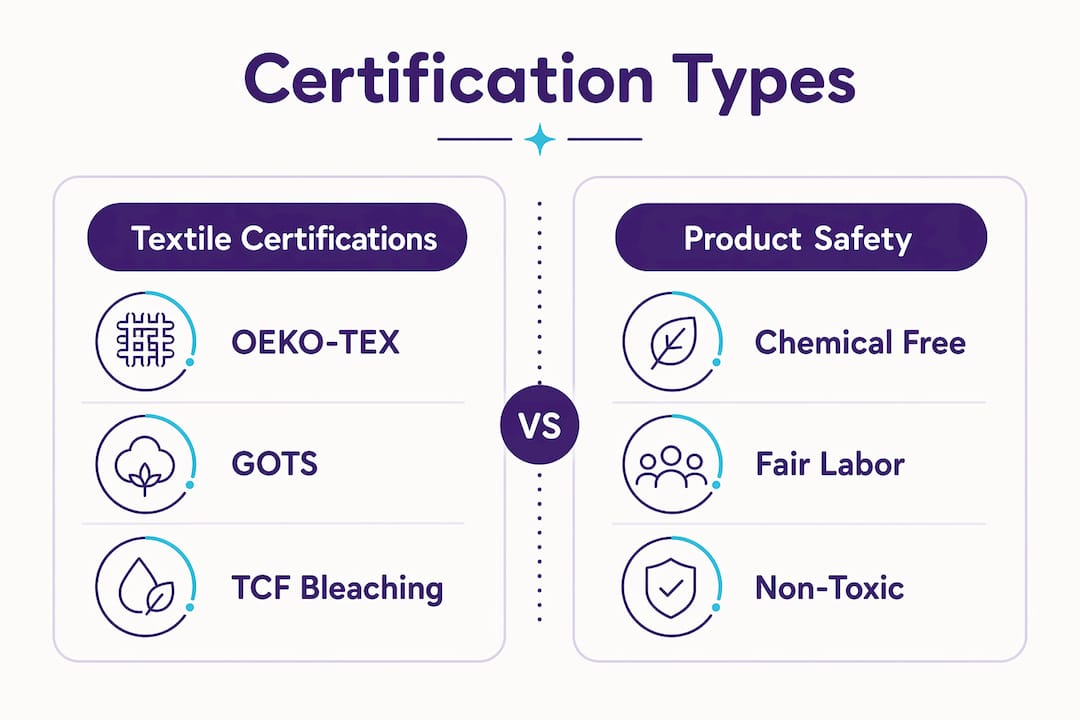
OEKO-TEX Standard 100
OEKO-TEX Standard 100 Class II finished garment certification is the gold standard for period underwear safety. Class II covers products with direct skin contact, and the certification must apply to the finished garment, not just the fabric components. A certificate that only covers the outer fabric layer misses the absorbent core where chemicals matter most. Always verify the certificate number in the public OEKO-TEX database before purchasing.
GOTS certification
GOTS certification requires at least 70% organic fibers, bans toxic processing chemicals, and mandates fair labor practices throughout the supply chain. It covers fiber sourcing, dyeing, finishing, and manufacturing. GOTS is the strongest standard for organic cotton pads and tampons. It tells you the product is clean from field to finished item.
TCF bleaching vs. ECF bleaching
Bleaching method matters more than most parents realize. Totally Chlorine-Free (TCF) bleaching uses oxygen-based agents and produces zero dioxins. Elemental Chlorine-Free (ECF) bleaching still uses chlorine compounds and can produce trace dioxins and chlorinated organic compounds. Claims that ECF pads are dioxin-free rely on detection limits. More sensitive testing finds trace dioxins, making TCF the only way to guarantee zero chlorine-based toxins.
| Certification | What it covers | Key requirement |
|---|---|---|
| OEKO-TEX Standard 100 Class II | Chemical safety of finished garments | Must cover the complete finished product |
| GOTS | Organic fiber sourcing and processing | Minimum 70% organic fibers, no toxic chemicals |
| TCF bleaching | Pulp and fiber processing | Zero chlorine compounds, no dioxin formation |
| PFAS-free (ISO 17025 lab) | Fluorinated chemical absence | Independent lab verification required |
Pro Tip: Always search the brand’s certificate number directly in the OEKO-TEX public database. A certificate that cannot be verified there is not valid, regardless of what the packaging claims.
GOTS and OEKO-TEX provide complementary assurances: GOTS certifies organic sourcing and social criteria, while OEKO-TEX certifies chemical safety of the finished product. The strongest products carry both.
What chemical safety issues affect period products?
This is where the conversation gets serious, and where parents especially need clear information.
PFAS contamination is the most widespread chemical concern in reusable products. About 33% of period underwear and 25% of reusable pads tested positive for PFAS at levels suggesting intentional addition for leak resistance. PFAS are persistent chemicals linked to hormonal disruption and immune effects. Their presence in products worn against the body for hours at a time is a legitimate concern.
Endocrine disruptors in tampons are an emerging issue. A 2026 Journal of the Endocrine Society study found that 50% of tested tampons leached low levels of estrogen-like chemicals, regardless of whether they were labeled synthetic or organic. That finding highlights a regulatory gap more than a confirmed toxicity verdict. Safer formulations are achievable, and the research points manufacturers toward better chemistry.
“Despite detection of low-level endocrine disruptors, current findings highlight regulatory gaps rather than established toxicity for all products. Safer formulations are achievable.” — Journal of the Endocrine Society, 2026
FDA regulation limitations leave significant gaps. Sanitary pads and tampons are FDA-regulated as Class II medical devices cleared through the 510(k) pathway. That pathway assesses manufacturing and performance by comparison to pre-1976 devices. It does not require full ingredient disclosure or independent clinical safety trials. This means a product can be legally sold without consumers knowing every chemical it contains.
Antimicrobial finishes in period underwear pose a separate risk. Additives like silver, copper, zinc, and triclosan are used for odor control but pose risks to the vaginal microbiome. A healthy vaginal microbiome is protective. Disrupting it with antimicrobial chemicals creates more problems than it solves. Odor management through fabric choice and proper washing is the safer approach.
How to choose clean period products that fit your life
Choosing the right products comes down to four practical steps.
-
Assess your needs first. Consider flow volume, activity level, and comfort preferences. A heavy flow may require a combination of products. A young girl starting her period benefits from simpler, lower-maintenance options like organic pads before moving to cups or period underwear.
-
Check certifications before you buy. For pads and tampons, look for GOTS certification and TCF bleaching. For period underwear and reusable pads, require OEKO-TEX Standard 100 Class II on the finished garment and an independent PFAS-free lab report from an ISO 17025-accredited laboratory. OEKO-TEX limits cover some PFAS but are not sufficient alone for a full PFAS-free claim.
-
Avoid antimicrobial treatments. When buying period underwear, contact the brand directly and ask whether any antimicrobial finishes are used. If the brand cannot answer clearly, that is your answer.
-
For parents choosing first-period products, start with certified organic disposable pads. They are the easiest to use, carry the fewest chemical concerns when properly certified, and give a young girl time to understand her body before trying reusables. The types of first period protection available can feel overwhelming, so starting simple is always the right call.
-
Demand transparency from brands. A reputable brand publishes its certifications, shares lab reports on request, and clearly discloses materials. If a brand uses vague language like “natural” or “eco-friendly” without certification numbers, treat those claims with skepticism.
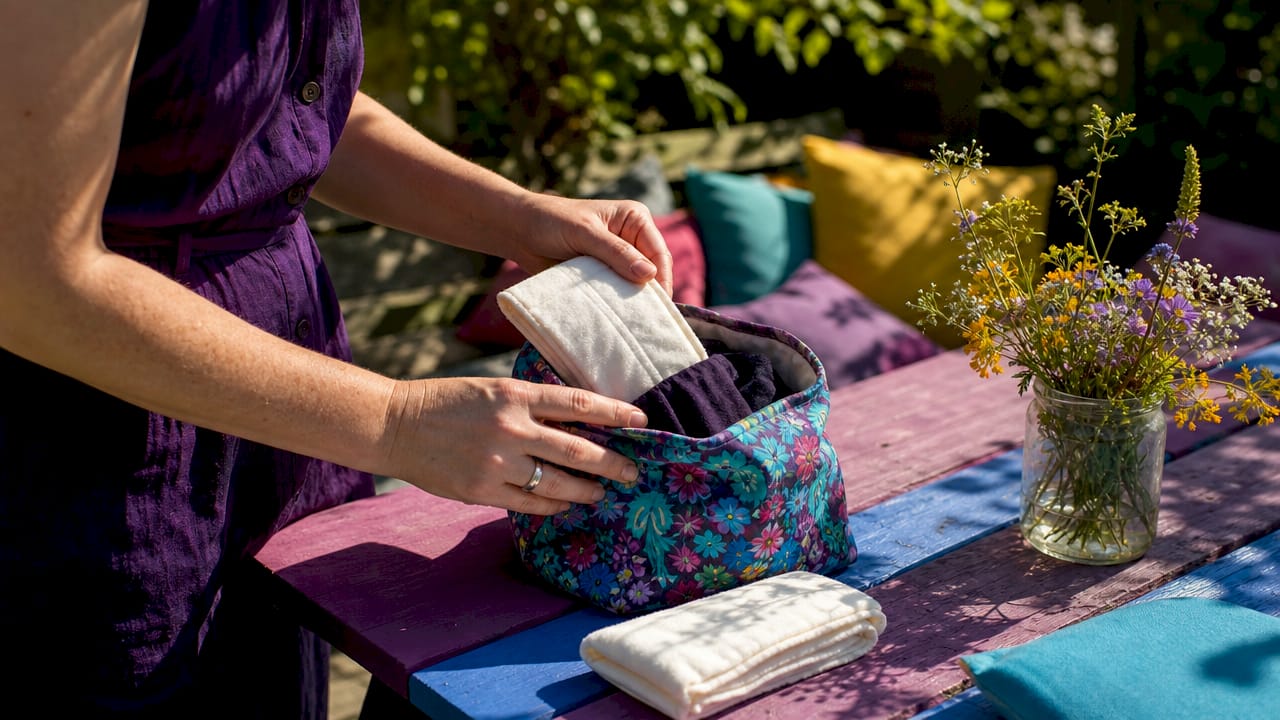
Pro Tip: Pack a period bag with certified organic pads and a spare pair of OEKO-TEX-certified underwear. This gives your daughter a safe, practical backup without relying on whatever is available at school.
Key Takeaways
Choosing clean period products requires verified certifications, not just marketing claims. TCF bleaching, GOTS, and OEKO-TEX Standard 100 Class II are the three standards that matter most for genuinely safe menstrual hygiene.
| Point | Details |
|---|---|
| PFAS risk in reusables | 33% of period underwear tested positive for PFAS; always require ISO 17025 lab verification. |
| TCF bleaching is the safest standard | ECF bleaching can still produce trace dioxins; TCF guarantees zero chlorine-based toxins. |
| OEKO-TEX Class II covers finished garments | Certification must apply to the complete product, not just fabric components. |
| FDA regulation has gaps | 510(k) clearance does not require full ingredient disclosure; certifications fill that gap. |
| Start simple for first periods | Certified organic disposable pads are the lowest-risk, easiest option for young girls. |
What I’ve learned about “clean” claims and what actually holds up
The word “clean” gets used loosely in the period product space, and that bothers me. I have seen brands slap “natural” on packaging while using ECF-bleached cotton and antimicrobial finishes with no third-party verification. That is not clean. That is marketing.
What actually holds up is a documentation chain. GOTS Transaction Certificates, a current OEKO-TEX certificate number you can verify yourself, and a PFAS test report from a named ISO 17025 lab. Those three things together tell a real story. Anything less is a claim without evidence.
The trend I find genuinely encouraging is that TCF bleaching and organic fiber standards are becoming baseline expectations, not premium add-ons. Regulatory pressure in the EU is pushing this direction, and the US market is following. By 2030, I expect PFAS-free and TCF to be table-stakes requirements rather than differentiators.
For parents, my honest advice is this: do not let the complexity stop you from making a better choice. You do not need to be a chemist. You need to know three things. Does it have GOTS or OEKO-TEX Class II? Is it TCF-bleached? Does the brand publish its lab reports? If yes to all three, you are in good shape. Start there, and let your daughter grow into the options that suit her best.
— The
Themonthliesbox has clean, certified options ready for you
Choosing safe period products for your daughter should feel supported, not stressful. Themonthliesbox curates period and self-care products with safety and confidence in mind, built around the Amethyst Method of affirm, understand, and equip.

The Amethyst Box is designed specifically for girls approaching their first period, combining educational materials, affirmations, and practical supplies selected with clean menstrual hygiene in mind. For a fuller self-care experience, the Monthlies Deluxe Box offers a curated collection that goes beyond period basics. Both options reflect the belief that every girl deserves to feel prepared, safe, and supported from day one.
FAQ
What does “clean” mean in period products?
Clean period products avoid toxic chemicals like PFAS, synthetic pesticides, and chlorine-based bleaching agents. They typically carry certifications like GOTS or OEKO-TEX Standard 100 to verify those claims.
Are organic tampons safer than regular tampons?
A 2026 study found that 50% of tested tampons leached estrogen-like chemicals regardless of organic labeling. GOTS-certified organic tampons with TCF bleaching offer the strongest safety profile currently available.
What is PFAS and why does it matter in period products?
PFAS are synthetic fluorinated chemicals used for leak resistance. About 33% of period underwear tested positive for PFAS at levels suggesting intentional use, making independent lab verification a must before purchasing.
Is TCF bleaching better than ECF for pads?
TCF bleaching uses oxygen-based agents and produces zero dioxins. ECF bleaching can still generate trace dioxins and chlorinated compounds, making TCF the safer choice for health-conscious consumers.
How do I verify a product’s OEKO-TEX certification?
Search the brand’s certificate number directly in the public OEKO-TEX database at oeko-tex.com. The certificate must be Class II and must cover the finished garment, not just individual fabric components.
0 comments