

A self-care kit for teens is a portable, personalized collection of simple tools designed to support emotional regulation, stress relief, and physical comfort during everyday challenges. Also called an “anxiety bag” by Gen Z, these compact, portable kits fit in a backpack or purse and provide immediate soothing during moments of stress or overstimulation. Mental health professionals confirm that self-care is about listening to yourself and building habits that recharge your emotional and physical well-being. No expensive products required. Just the right tools, chosen with intention.
What is a self care kit for teens, and what goes inside?
A teen self-care kit is a curated set of 3–4 items that address your most common stress triggers. Experts recommend keeping kits small because fewer, high-impact items are easier to use and carry than a bulky collection you never reach for. Think of it as a personal first-aid kit for your emotions and senses.
The most effective kits cover four core categories:
- Sound support. Earbuds or noise-canceling headphones let you step away from overstimulating environments without leaving the room. A calming playlist ready to go makes this even more useful.
- Quiet hand tools. Stress balls, fidget rings, or smooth stones give your hands something to do when anxiety spikes. Tactile grounding pulls your focus back to the present moment.
- Body-grounding options. A small lotion with a calming scent, a warm pack, or even a piece of gum can shift your nervous system out of fight-or-flight mode quickly.
- Reset cards. Affirmation cards and journaling slow down racing thoughts and give you a moment of reflection. A small notebook works just as well as a printed card.
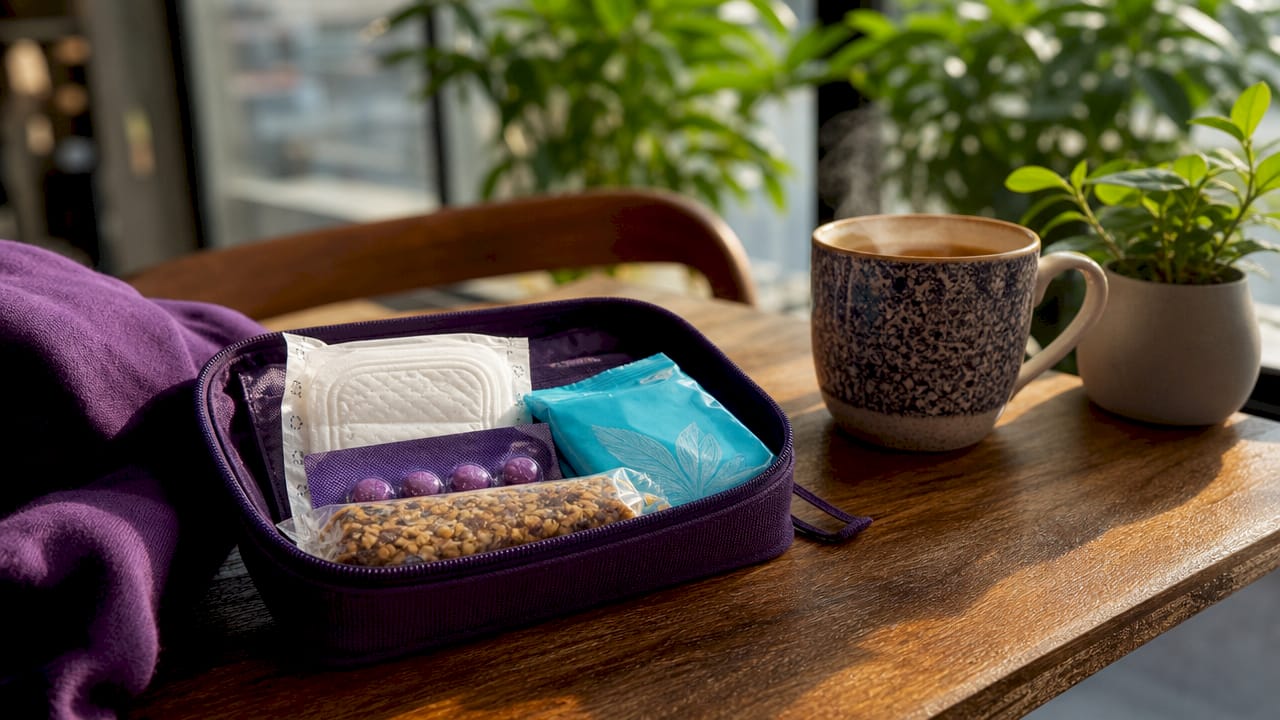
Physical care items also belong in the mix. Sanitary products, a pain reliever, and a light snack address real, practical needs that can spike anxiety when you are caught unprepared. Combining emotional and physical supports in one kit means you are covered on multiple fronts.
Pro Tip: Write one personal affirmation on an index card and keep it at the top of your kit. Reading it during a hard moment takes less than 10 seconds and resets your mindset faster than most other tools.
How do you customize a kit for your own needs?
Generic kits work for no one perfectly. The most useful kit is built around your specific triggers, sensory preferences, and daily environment.
Start by asking yourself three questions before you add anything to your kit.
- What does stress feel like in your body? If you tense your shoulders and clench your jaw, a tactile tool like a stress ball targets that physical response directly. If your mind races, a reset card or breathing reminder card fits better.
- What environment will you use this kit in? A kit for school needs to be discreet and quiet. A kit for home can include items that are larger or louder, like a weighted blanket or a diffuser with essential oils.
- What has actually helped you before? Think back to the last time you felt overwhelmed and something helped. That item belongs in your kit. Personal history is the best guide.
Once you have your answers, start with just two or three items. Swap things out after a few weeks if they stop helping. A kit that felt right in september may need updating by january as your routines and stressors change. Collaboration with a trusted adult or therapist makes this process more effective because they can help you identify patterns you might miss on your own.
Sensory preferences also shape your choices. Teens who respond well to quiet and calm tend to favor visual tools like affirmation cards or calming images. Teens who need physical movement often prefer tactile items like fidget tools or resistance bands. Neither preference is wrong. Your kit should match who you are, not who someone else thinks you should be.
Pro Tip: Label a small zippered pouch with your name and keep it in the same pocket of your bag every day. Consistency matters. You are more likely to use a kit you can find in under five seconds.
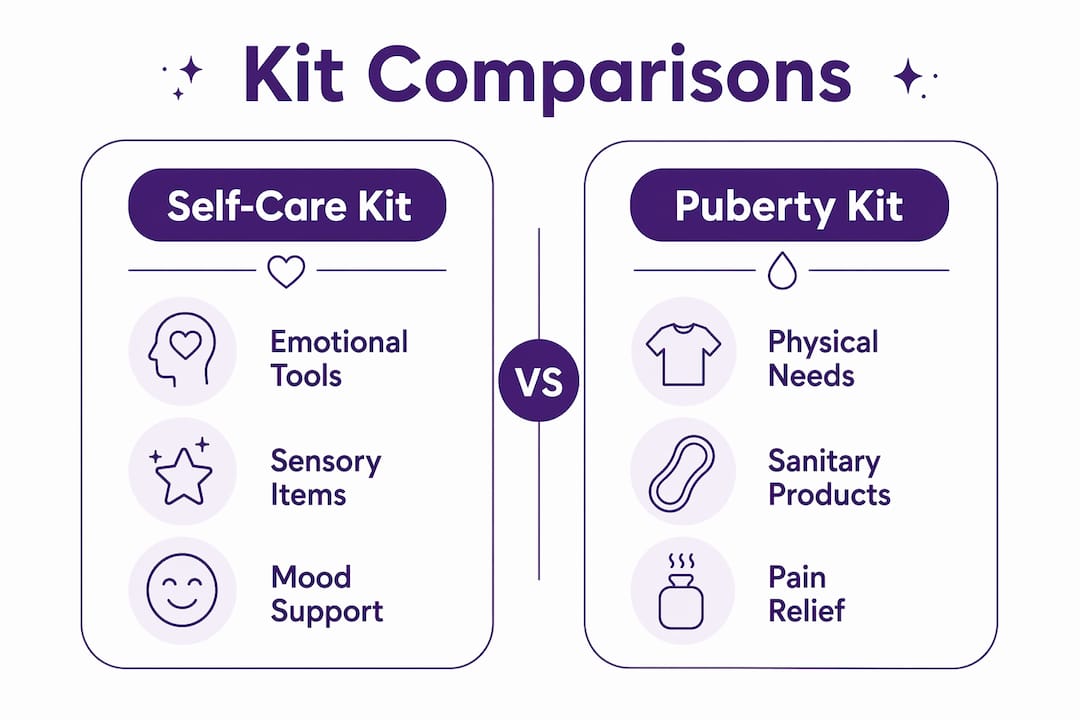
How does a self-care kit differ from a puberty emergency kit?
These two kits serve different purposes, and knowing the difference helps you build both correctly.
A mental and emotional self-care kit focuses on regulating your nervous system and supporting your mood. It contains sensory tools, affirmation cards, breathing reminders, and grounding objects. Its job is to help you manage anxiety, overstimulation, and emotional overwhelm in the moment.
A puberty emergency kit focuses on physical preparedness. These kits typically include sanitary products, pain relief medication, personal grooming supplies, and snacks. Their purpose is to reduce anxiety around unpredictable bodily changes by making sure you are never caught without what you need. Themonthliesbox offers a detailed breakdown of what to pack in a period bag for teens navigating puberty for the first time.
| Feature | Self-care kit | Puberty emergency kit |
|---|---|---|
| Primary focus | Emotional and sensory regulation | Physical preparedness |
| Core items | Fidget tools, affirmation cards, earbuds | Sanitary products, pain relief, snacks |
| Best used when | Feeling anxious, overwhelmed, or overstimulated | Unexpected period, cramps, or grooming needs |
| Portability | Fits in a small pouch or pencil case | Fits in a makeup bag or small backpack pocket |
| Works best alongside | Breathing techniques, journaling, trusted support | A period self-care routine and parent guidance |
The good news is that these kits overlap. A sanitary product in your emotional kit removes one source of physical anxiety. An affirmation card in your puberty kit reminds you that your body is doing exactly what it should. Many teens carry both in the same bag, separated into two small pouches.
How do you carry and maintain your kit so you actually use it?
The best kit in the world does nothing if it sits forgotten at the bottom of your locker. Usability is everything.
- Choose a low-profile container. A pencil pouch, a small makeup bag, or a zippered inner pocket keeps your kit discreet. School-use kits work best when they are small, quiet, and easy to explain if someone asks.
- Keep it to 3–4 items maximum. Too many tools create decision fatigue when you are already stressed. A cluttered kit discourages use.
- Swap items when they stop working. If a fidget toy becomes distracting or a scent starts to feel overwhelming, replace it. Your kit should evolve with you.
- Integrate kit use into your daily routine. Check your kit each morning the way you check your phone. Replace anything that ran out. This habit keeps the kit ready when you need it most.
- Pair your kit with a breathing technique. Square breathing involves inhaling, holding, exhaling, and pausing for four seconds each. It calms your nervous system faster than trying to think your way out of stress. Keeping a small card with the steps in your kit makes it easy to remember.
Your kit is one part of a larger plan. Sleep, communication, and supportive relationships all matter just as much. Think of your kit as the tool you reach for in the moment, not the entire solution.
Key Takeaways
A self-care kit for teens works best when it is small, personalized, and paired with consistent habits like square breathing, journaling, and trusted support.
| Point | Details |
|---|---|
| Keep it small | Limit your kit to 3–4 high-impact items to maximize usability and portability. |
| Personalize for your triggers | Build your kit around your specific sensory preferences and stress responses, not a generic list. |
| Separate kit types | Use a self-care kit for emotional regulation and a puberty kit for physical preparedness. |
| Maintain and swap items | Review your kit regularly and replace anything that no longer helps or fits your needs. |
| Pair with techniques | Combine kit tools with square breathing or journaling for faster, more effective stress relief. |
Why I think the “just buy a kit” approach misses the point
The most common mistake teens make when building a self-care kit is treating it like a shopping list. They buy a stress ball because someone else recommended it, add a few affirmation cards they found online, and then wonder why the kit sits untouched after two weeks.
A kit only works when the items inside mean something to you. The stress ball that helps your friend might feel pointless in your hands. The affirmation that resonates with one person might feel hollow to another. Self-care is fundamentally personal, and no curated list can replace the work of actually knowing yourself.
What I have seen work consistently is starting with one item you already know helps you. Maybe it is a specific song, a piece of gum, or a note from someone you trust. Build from that one anchor. Add a second item only after the first has proven itself useful. This slow, intentional approach creates a kit you actually reach for.
The other thing worth saying clearly: a kit is not a replacement for real support. If you are struggling with anxiety, depression, or the emotional weight of puberty, a stress ball is not the answer. A trusted adult, a school counselor, or a therapist is. Your kit is the bridge between hard moments and the support you deserve, not a substitute for it.
— The
Ready-made kits that actually get it right
Building a kit from scratch takes time, and sometimes you just need something ready to go. Themonthliesbox designs kits specifically for teens navigating puberty and the emotional challenges that come with it.
The LavenHaven Care Package is a self-care starter kit built around the same principles covered here: small, thoughtful, and personalized for the real experiences of teenage girls. For teens who need something portable and practical, the On-The-Go Kit combines period essentials with everyday self-care tools in one compact pouch. Both kits are designed to feel like support from a friend, not a product off a shelf.
FAQ
What is a self-care kit for teens?
A self-care kit for teens is a small, portable collection of 3–4 items designed to support emotional regulation, stress relief, and physical comfort during everyday challenges. It is sometimes called an “anxiety bag” and fits easily in a backpack or purse.
How many items should a teen self-care kit have?
Experts recommend limiting a kit to 3–4 high-impact items. Fewer items improve usability and make the kit easier to carry and access quickly during stressful moments.
What is the difference between a self-care kit and a puberty kit?
A self-care kit focuses on emotional and sensory regulation through tools like fidget toys and affirmation cards. A puberty kit focuses on physical preparedness with sanitary products, pain relief, and grooming supplies.
Can a teen build a self-care kit without spending a lot of money?
Yes. Mental health professionals confirm that self-care does not require financial investment. An index card with an affirmation, a piece of gum, and a pair of earbuds already in your bag can form a functional kit.
Should a teen involve a parent or therapist in building their kit?
Collaboration with a trusted adult or therapist makes a kit more effective. They can help identify personal stress triggers and validate that the chosen items genuinely address your needs rather than just filling space.
0 comments